Blocked Toilet in Llandrindod Wells? What to Do Before You Call a Professional
Dealing with a blocked toilet can be stressful, especially when it happens unexpectedly in your Llandrindod Wells home. While it might be tempting to flush repeatedly or try quick fixes, these actions can sometimes worsen the problem or cause damage. Understanding the safest and most effective ways to approach a blockage can save you time, money, and frustration.
This article guides homeowners in Llandrindod Wells and the surrounding Powys area through practical first steps to take if your toilet gets blocked. From simple troubleshooting to recognising when the issue might be a deeper drainage problem, knowing what to do helps protect your home and decide the right moment to seek professional assistance.
Common Causes of Toilet Blockages in Powys Homes
Toilets in Llandrindod Wells and nearby towns like Builth Wells or Rhayader often get blocked due to a range of everyday causes. The most frequent culprits include flushing inappropriate items like wet wipes, sanitary products, or excessive amounts of toilet paper. Even in rural properties around Powys, things like garden debris or small toys accidentally flushed down can cause obstruction.
Older properties, common in this part of Wales, sometimes experience blockages due to narrow or ageing pipes that can’t cope well with modern waste. Additionally, low water pressure or partial blockages in the waste pipe may contribute to slow drainage, signalling a need for attention before a full blockage develops.
Understanding why toilets block can help you avoid future problems. For example, restricting use of strong cleaning chemicals helps maintain pipe health since harsh substances may corrode plumbing materials over time, especially in older systems common in places like Knighton or Presteigne.
Safe First Steps: What to Try When Your Toilet Blocks
If you spot your toilet backing up in Llandrindod Wells, the first step is to avoid repeated flushing. Flushing again and again can cause water to overflow onto your bathroom floor, creating a bigger mess and potential water damage. Instead, stop flushing and give the water level a moment to settle.
Next, try using a manual plunger designed for toilets, which creates suction to dislodge minor blockages. Place it firmly over the toilet hole and push down with steady force, then pull up sharply. Repeat this several times, checking if the water begins to drain. This method often clears soft blockages caused by toilet paper or organic waste.
Avoid using chemical drain cleaners on toilets, as these can damage the ceramic bowl and your pipes and may pose health risks if mishandled. Many local plumbers in Powys advise steering clear of these products, especially in older homes, because they can do more harm than good.
When the Problem Isn’t the Toilet but the Drain
Sometimes, what looks like a blocked toilet is actually a sign of a deeper drainage issue. If other drains in your Llandrindod Wells property—like sinks, showers, or outside drains—are also slow or backing up, the problem may lie in the main drain line rather than the toilet itself.
In rural areas around Powys such as Crossgates or Newbridge-on-Wye, tree roots often invade underground drainage pipes and cause blockages or damage. Similarly, ground shifting or collapsing drains due to soil conditions can affect water flow and cause recurring problems.
Recognising these signs helps you avoid repeatedly plunging the toilet when the blockage is beyond its trap. Persistent smells, gurgling noises from drains, or water pooling outside near the septic tank or sewer access points are other clues that the issue is with the wider drainage system.
Why Flushing Repeatedly Can Make Things Worse
When a toilet is blocked, it’s natural to try flushing multiple times to clear the blockage. However, each flush adds more water to the bowl and waste pipe, increasing pressure behind the blockage. This can cause the water to overflow onto your bathroom floor, creating water damage risks to flooring and subflooring.
Excessive flushing can also push solid waste further into pipes, potentially creating more stubborn blockages that are harder to clear with a plunger. This is especially problematic in older homes around Powys where pipes may be narrower or have rough interiors that catch debris.
Rather than flushing repeatedly, it’s better to assess the situation calmly and use a plunger or other safe methods. If these do not work, calling a professional plumber who can inspect the pipes with specialist tools will be more effective and reduce the chance of costly repairs later.
Tools and Techniques You Can Safely Use at Home
Aside from a toilet plunger, a toilet auger or snake can be a useful tool for clearing blockages just beyond the toilet trap. These flexible cables can reach deeper obstructions and gently break them up or pull them free without damaging your pipes.
If you don’t have a toilet auger, steel wire coat hangers can sometimes be fashioned into a makeshift tool but must be used carefully to avoid scratches or damage. Always work gently and avoid forcing any tool if resistance is strong, as this may indicate the blockage is further down the line.
For minor blockages caused by organic waste, pouring a kettle of hot (not boiling) water into the bowl can sometimes help soften debris. However, do not use this method repeatedly or with chemical additives as it could harm your plumbing system, particularly in older Powys properties.
When to Call a Professional Drainage Specialist
If your efforts to clear a blocked toilet in Llandrindod Wells don’t work after a few attempts, it’s wise to contact a professional plumber or drainage expert. Especially if the blockage recurs regularly or other drains in your home are affected, expert diagnosis and intervention is necessary.
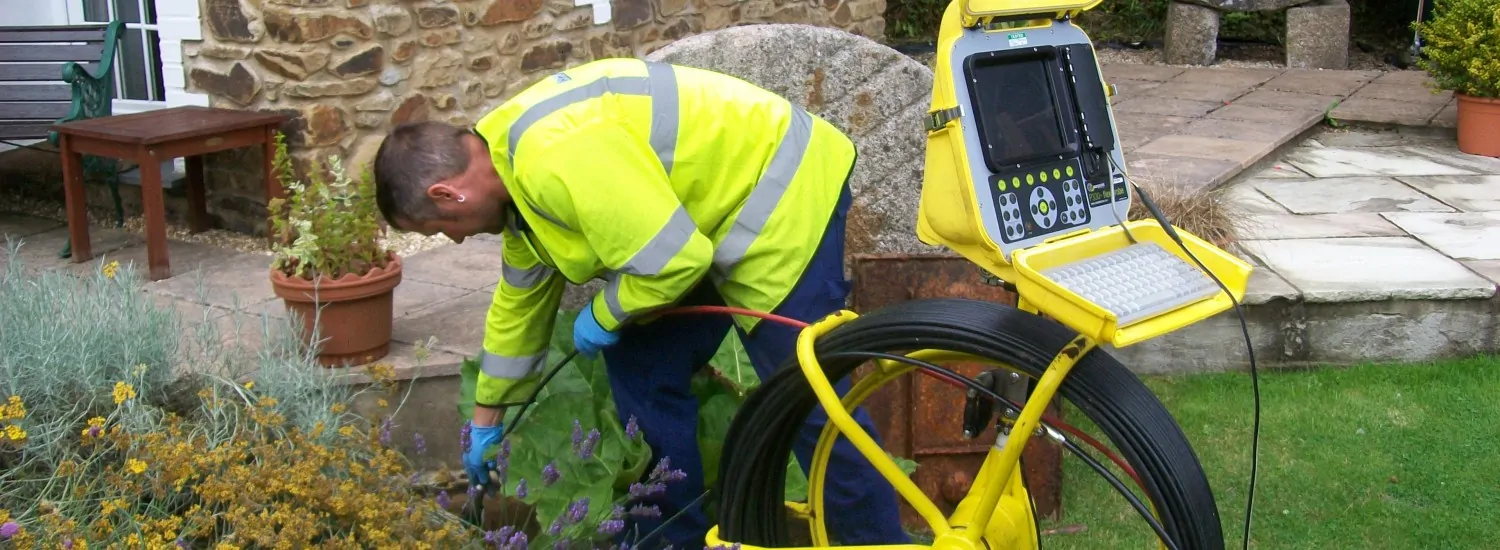
Drain professionals can use cameras and specialised equipment to locate and clear blockages safely and efficiently. They can also check for damage or pipe collapses, which are more common in older Powys homes or rural areas like Nantmel or Disserth.
Additionally, a professional can advise on preventative measures tailored to your property and local soil conditions, helping you avoid future blockages and costly repairs. Early intervention can protect your home’s drainage system and provide peace of mind.
Local Drainage Considerations in Powys and Surrounding Areas
Living in a place like Llandrindod Wells or nearby towns such as Penybont or Llandegley means some homes have septic tanks or private drainage systems instead of being connected to a main sewer. This can affect how blockages manifest and how best to deal with them.
For properties relying on septic tanks, blockages might not only be in the toilet but in the soakaway or drainage field. Regular maintenance and careful waste management are essential to prevent system failure and environmental issues.
Powys’s rural landscape and older housing stock also mean that pipe materials and layouts vary widely. Homeowners should ensure that any DIY attempts to fix blockages respect these local factors and that professional advice is sought when in doubt.
Preventing Future Toilet Blockages in Your Home
Prevention is key to avoiding blocked toilets in Llandrindod Wells and across Powys. Avoid flushing anything other than human waste and toilet paper, and educate all household members about what’s safe to flush. Items like wet wipes, cotton wool, and sanitary products should always go in the bin.
Regularly inspecting your home's drainage, addressing minor slow drainage issues quickly, and scheduling periodic maintenance can also help keep pipes clear. If your home has older pipes, consider discussing upgrades with a local plumber.
Being mindful of your drainage system’s limits, especially in rural properties with septic tanks, helps maintain good function and prevents unexpected blockages. Simple good habits combined with professional support when needed will protect your home and save stress.
Need a drainage expert in Llandrindod Wells?
Call 0800 669 6492