
Tree Roots in Drains: Signs, Risks and Repairs in Llandrindod Wells
Living in Llandrindod Wells or the surrounding Powys area brings many benefits, including beautiful green spaces and mature trees lining our streets and gardens. However, those lovely trees can sometimes cause problems beneath the surface, especially for your home’s drainage system. Tree roots are naturally drawn to moisture and nutrients, and they often find their way into underground drains, which can lead to blockages and damage over time.
Understanding how and why tree roots invade drains, recognising the early warning signs, and knowing what repair options are available can save homeowners in Llandrindod Wells and nearby towns like Builth Wells or Rhayader significant time and expense. This article guides you through the key facts about tree root ingress in drains and how to manage the problem effectively.
How and Why Tree Roots Get Into Drains
Tree roots naturally seek out moisture and nutrients, which often means growing towards underground water sources like drains. In towns such as Llandrindod Wells and neighbouring communities including Knighton and Presteigne, many properties sit near mature trees that have extensive root systems underground. Even very small cracks or joints in drain pipes can allow roots to enter and exploit these weak points.
Pipes made of older materials like clay or concrete are particularly vulnerable because over time they can crack or shift. Modern plastic piping is less prone to root intrusion but is not completely immune. Roots can sense moisture escaping from even tiny defects in the pipe and will grow into the drainage system in search of water. Once inside, roots can expand rapidly, worsening any existing damage.
Local soil conditions in Powys also play a role. The generally damp soils around areas like Crossgates and Newbridge-on-Wye provide ideal conditions for roots to thrive underground. Gardens with mature trees or properties close to woodland patches, such as around Nantmel or Llandegley, may face greater risks of root ingress due to the density and age of vegetation.
Recognising the Warning Signs of Root Ingress
Early detection of tree roots in drains is crucial to prevent costly damage. Homeowners in Llandrindod Wells and nearby areas should look out for symptoms like slow draining sinks, toilets backing up, or water pooling unexpectedly in gardens. These issues occur because roots partially or fully block the flow of wastewater.
Unpleasant odours coming from drains or gullies are another indication that a blockage might be forming. In some cases, you may notice soggy patches or unusual vegetation growth in your garden, such as unusually lush grass or weeds in specific areas, which can signal leaking sewage caused by damaged pipes.
In more severe cases, gurgling sounds from drains, frequent overflow during heavy rain, or even subsidence (ground sinking) near the property can be linked to root damage. Promptly addressing these signs can prevent further erosion or structural issues, which are particularly important for homes in older parts of Powys.
The Damage Tree Roots Can Cause Over Time
When roots penetrate drains, they tend to wrap around pipe joints and expand inside the pipework, causing blockages and physical damage. Over time, the pressure exerted by growing roots can fracture pipes, causing leaks and collapses. This can lead to sewage escaping into the surrounding soil, which is a serious environmental and health concern.
Repeated blockages mean drains require frequent clearing, which can become costly and inconvenient. If left untreated, root damage can undermine the foundations of nearby structures, increasing the risk of subsidence, especially in areas with clay-rich soils found around Penybont and Disserth.
For properties in Llandrindod Wells and other Powys towns, extensive root damage can reduce the lifespan of drainage systems significantly. Repairs become more urgent and expensive, with the potential need for full pipe replacement if the root intrusion is severe and persistent.
Professional Inspection and Diagnosis Techniques
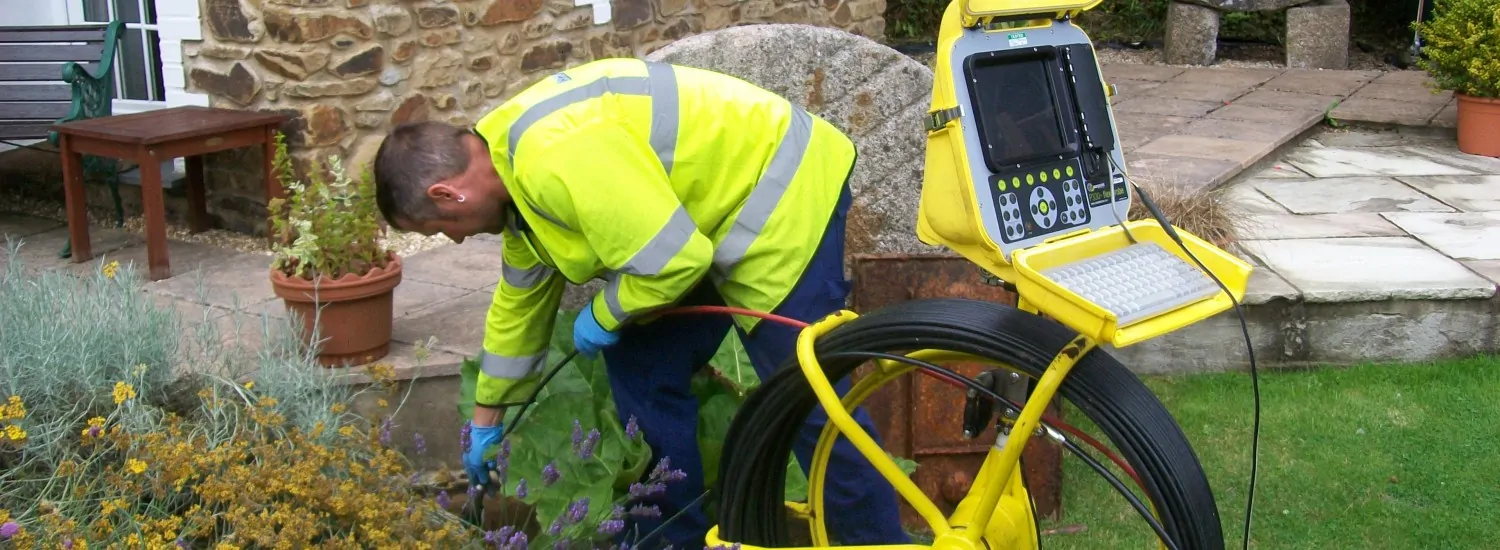
The first step to tackling tree roots in drains is a thorough inspection, typically carried out using modern CCTV drain survey technology. Local drainage experts servicing Llandrindod Wells and the Powys region use miniature cameras inserted into pipes to pinpoint exactly where roots have invaded and assess the extent of the damage.
This non-invasive method allows for accurate diagnosis without disruptive excavation, which is particularly important in properties with gardens or driveways — common in towns like Howey or Llandegley. The footage helps determine the most suitable repair approach, whether root cutting, pipe relining or replacement.
Survey results can also identify if root growth is ongoing or if the root intrusion is an isolated issue. This information is invaluable for planning preventative measures. Homeowners can then take informed action to protect their drainage system for the long term.
Repair Options: From Root Cutting to Pipe Relining
Once roots are located inside drains, one common remedy is root cutting or root removal. This involves using high-pressure water jetting or mechanical cutting tools to clear away the roots blocking the pipes. This method restores flow and removes immediate blockages but may not prevent future root ingress if the pipes remain damaged.
For more durable repairs, pipe relining is a popular non-destructive technique increasingly used by drainage services across Powys. Relining involves inserting a flexible resin-coated liner into the damaged pipe, which hardens and forms a new seamless pipe within the old one. This seals cracks and joints where roots can enter, effectively blocking further growth.
In extreme cases where pipes are badly damaged or collapsed by roots, full pipe replacement might be necessary. Although more invasive, this guarantees a fresh start to your drainage system. Each option has advantages depending on the age, location and condition of your pipes, as well as budget considerations for homeowners in Llandrindod Wells, Rhayader or Builth Wells.
Preventative Measures for Homeowners in Llandrindod Wells and Powys
To reduce the risk of root ingress, homeowners can take steps such as avoiding planting trees or large shrubs too close to drainage runs or property boundaries. Trees with aggressive root systems, like willows or poplars, should be planted at a safe distance.
Regular drain maintenance and inspections are vital, especially for older properties common in Llandrindod Wells and surrounding towns such as Crossgates or Presteigne. Scheduling routine jetting or CCTV surveys can catch early signs of root invasion before serious damage occurs.
Additionally, improving garden drainage and soil conditions can help limit root growth around drains. In areas prone to saturation, like parts of Nantmel or Newbridge-on-Wye, ensuring surface water is directed away from drains helps reduce moisture that attracts roots. These practical steps help protect your home’s drainage system long term.
When to Call a Drainage Specialist
If you notice any warning signs of root ingress, such as slow draining or persistent blockages, it is wise to contact a local drainage expert promptly. In Llandrindod Wells and Powys, professional companies can provide quick assessments and effective solutions before the problem worsens.
Delaying repairs might lead to more extensive damage, higher costs, and possible environmental hazards from leaking sewage. Qualified drainage specialists have the right tools, knowledge and experience to deal with root damage safely and efficiently.
Especially after severe weather or in older properties surrounded by mature trees, a specialist inspection can offer peace of mind and help avoid emergency drain failures that disrupt daily life.
Need a drainage expert in Llandrindod Wells?
Call 0800 669 6492