
Protecting Your Drains in Winter: Essential Advice for Llandrindod Wells Homes
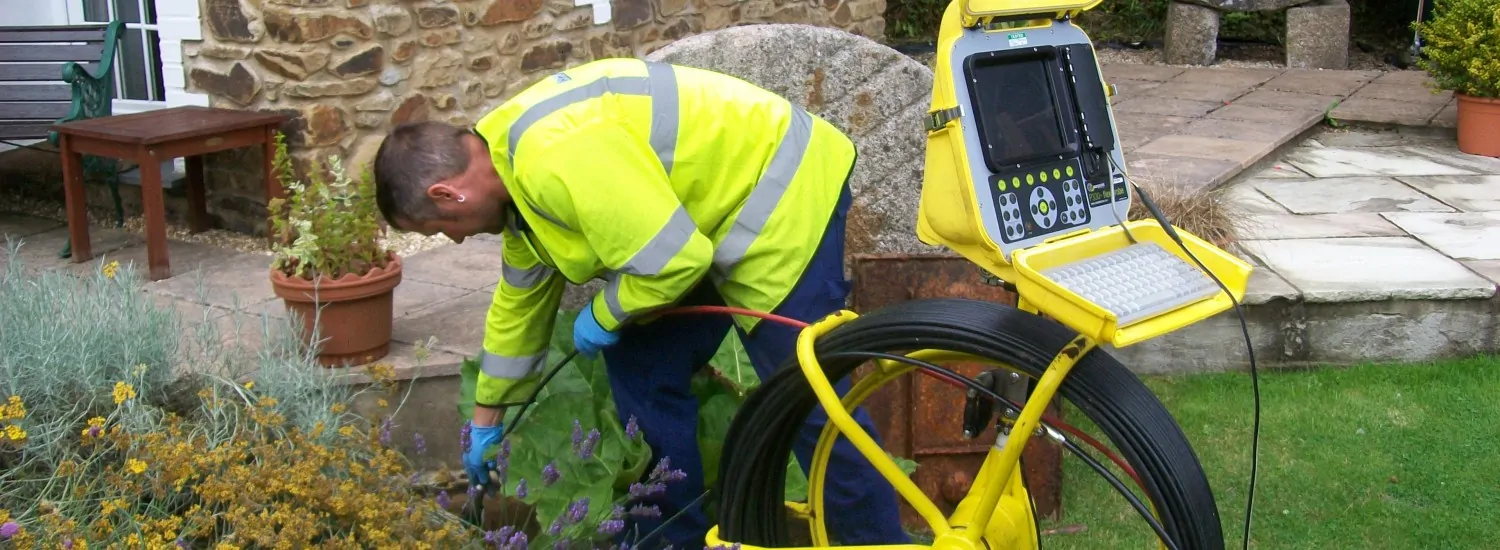
Winter in Llandrindod Wells and the wider Powys area often brings a mix of cold temperatures, wet weather, and fallen leaves, all of which can pose challenges to your home’s drainage system. As temperatures drop, drains and pipes are more susceptible to damage, which can lead to costly repairs and inconvenient disruptions. Being proactive about protecting your drains during the colder months will help keep your home safe and comfortable throughout winter and beyond.
This guide explains how cold weather impacts drains and pipes, common winter drainage problems unique to the local environment, and practical checks you can carry out before and during winter to reduce risks. Whether you live in Llandrindod Wells itself or nearby towns such as Builth Wells, Rhayader, or Presteigne, these winter drainage tips are designed to help you safeguard your property.
How Cold Weather Affects Drains and Pipes in Llandrindod Wells
Freezing temperatures common in Powys during winter can cause water inside drains and pipes to freeze. When water freezes, it expands, placing pressure on pipes and often leading to cracks or bursts. Older properties in Llandrindod Wells, many with clay or cast iron drainage systems, are particularly vulnerable to such damage, which can result in leaks and flooding.
Additionally, frost can affect above-ground drainage elements such as gullies and soakaways. Ice may form blockages, restricting normal water flow and increasing the risk of surface water pooling around your home’s foundation. This risk is heightened in areas like Crossgates and Howey where drainage infrastructure may be exposed or close to the surface.
Understanding this seasonal impact helps you plan effective preventative measures to keep your drainage system functioning smoothly despite cold weather.
The Hidden Danger of Leaf-Blocked Gullies
Autumn in Llandrindod Wells and surrounding Powys towns brings a steady fall of leaves, which often accumulate around gullies and street drains. When these leaves mix with rainwater, they create blockages that prevent proper drainage of surface water. This problem is common in leafy areas such as Newbridge-on-Wye and Llandegley, where mature trees line many properties and roads.
Blocked gullies can cause water to back up onto roads and pavements, increasing the risk of localised flooding and damage to property foundations. It also places extra strain on underground drainage pipes, which may already be vulnerable due to age or ground movement from freeze-thaw cycles.
Regular clearing of leaves and debris from gullies before winter sets in is essential to maintain free-flowing drainage and reduce seasonal flooding risks.
Heavy Rain and Drainage Overload Risks in Powys
Winter storms can bring heavy, sustained rainfall to Powys, including Llandrindod Wells and nearby towns like Penybont and Nantmel. When drains are blocked or poorly maintained, this heavy rain can overwhelm the system, causing water to pool and potentially flood gardens, driveways, and even interiors.
Many properties in this region have traditional drainage systems designed decades ago, which may not cope well with increased rainfall intensity. Soil saturation and surface runoff in rural and semi-rural parts of Powys add to pressure on home drainage systems during winter months.
Ensuring your drainage outlets and soakaways are clear and functioning properly will help manage heavy rain and reduce flood risk.
Practical Pre-Winter Drainage Checks for Llandrindod Wells Homes
Before the coldest weather arrives, inspect your drains for visible signs of blockages or damage. Look for water pooling around drain covers, slow draining sinks, or unpleasant smells indicating trapped debris. Check external gullies for leaves or mud build-up and clear them using a stiff brush or garden rake where safe to do so.
It’s also wise to trace your drainage run if accessible, looking for cracked or displaced pipes, particularly if your property is older or located on sloping ground as common in Powys’ hilly terrain. If you suspect deeper blockages or pipe damage, seeking professional inspection with CCTV drainage surveys can prevent costly emergencies later.
Simple preventative steps such as insulating exposed pipes near external walls or under floorboards can keep water from freezing and reduce risk of pipe bursts.
During Winter: Ongoing Drainage Maintenance Tips
Throughout winter, continue to monitor your drains regularly, especially after heavy rain or frosty nights. Keep gullies and external drains clear of fresh leaf fall and debris to maintain water flow. Avoid pouring fats, oils, or kitchen waste down sinks, as these can solidify in cold temperatures and contribute to blockages.
If you notice slow drainage, gurgling sounds, or water backing up, address the issue early rather than waiting for a full blockage. Use safe drain clearing tools like drain rods or biological treatments approved for your drainage type instead of harsh chemicals that could damage pipes or local water courses.
Maintaining clear access to external drains during snow or ice conditions also helps avoid accidental damage to covers or pipes caused by heavy snow clearance equipment or vehicles.
Local Considerations: Drainage Challenges Unique to Powys
Powys’ rural landscape includes many older properties with historic drainage systems that may not meet modern standards. In towns like Knighton and Presteigne, properties often rely on soakaways or septic tanks which require careful seasonal maintenance to function effectively during wetter winters.
The region’s frequent freeze-thaw cycles can shift soil and damage shallow pipes, particularly in gardens or under driveways. Homeowners should keep an eye on newly formed cracks or subsidence near drainage runs and repair issues promptly to maintain system integrity.
Working with local drainage specialists familiar with Powys weather patterns and soil types ensures that any intervention is both appropriate and sustainable for winter conditions.
When to Call a Professional in Llandrindod Wells
While many winter drainage checks and minor maintenance tasks can be managed by homeowners, some situations call for professional expertise. If you suspect frozen pipes, persistent blockages, or notice water damage inside the property, it’s best to seek advice promptly to prevent further harm.
Specialised equipment such as drain jetting or CCTV surveys can diagnose and clear deep blockages safely and efficiently, even in hard-to-reach areas common in older Llandrindod Wells homes. Professionals can also advise on pipe insulation options or drainage improvements tailored to your property’s location within Powys.
Early intervention reduces inconvenience, protects your home’s structure, and avoids costly emergency repairs during the busy winter season.
Need a drainage expert in Llandrindod Wells?
Call 0800 669 6492