
Outside Drains and Gullies: A Guide for Llandrindod Wells Homes
For homeowners in Llandrindod Wells and the wider Powys area, understanding the function and care of outside drains and gullies is essential to prevent water damage and flooding around the house. Many properties in this region face seasonal challenges with drainage due to our local climate and natural surroundings.
This guide explains how outside drainage systems work, why blockages occur, especially with leaves and silt, and what seasonal maintenance tasks can keep your drains flowing freely. It also covers what standing water near your property could mean, helping you take informed steps to protect your home.
How Outside Drains, Gullies, and Channel Drains Work
Outside drains, gullies, and channel drains form the frontline defence against surface water around a property. Gullies are typically located at ground level near the house or in paved areas, serving as entry points for rainwater and runoff to enter the underground drainage system.
Channel drains, often found along driveways or pathways, collect water over wider surfaces and channel it to gullies or soakaways. Together, these components direct water away from foundations and out to the municipal sewer or designated soakaway areas, helping to prevent damp and structural issues.
In rural and semi-rural Powys locations like Llandrindod Wells, these systems must cope with both heavy rainfall and surface runoff from gardens and fields, making their proper function crucial to home maintenance.
Why Leaves, Silt, and Debris Block Drains and Gullies
Llandrindod Wells properties benefit from leafy surroundings and mature trees, but this natural beauty comes with the downside of leaf litter. Leaves, twigs, soil and silt easily enter gullies during autumn and rainy periods, accumulating and forming blockages that prevent water from draining away efficiently.
Over time, this organic matter compacts and can mix with other debris such as garden mulch or soil washed from nearby beds, creating a dense plug. This not only causes surface pooling but can lead to unpleasant smells and even damage to the drainage infrastructure due to water backing up.
Awareness of what enters your outside drains can help you plan effective cleaning and reduce the risk of costly repairs or water damage around your Llandrindod Wells home.
Seasonal Maintenance for Outside Drains in Powys
Regular maintenance is key to keeping outside drains and gullies clear year-round. In Powys, autumn is a particularly important time for a thorough clean-up as falling leaves can rapidly accumulate and block drainage points.
Homeowners should begin by removing visible debris from gully grates and channel drains, then consider more in-depth clearing using a drain rod or seeking professional jetting if blockages persist. Ensuring nearby gutters and downpipes are also clear reduces the amount of water and debris entering your external drainage.
Spring can also bring heavy rains and garden debris, so a mid-year inspection is advisable to catch early signs of blockage or slow drainage before the summer months.
Identifying and Dealing with Standing Water Around Your Home
If you notice standing water in your garden, driveway, or near your home’s foundations, it could indicate that your outside drains or gullies are blocked or overwhelmed. Prolonged pooling can cause damage to brickwork, pave stones, and can seep into basements or crawl spaces, leading to damp problems.
In areas like Crossgates, Howey, or Newbridge-on-Wye where soil drainage varies, standing water might also suggest issues with soakaways or local ground saturation. Monitoring where and when water collects can help identify if the problem is localized or related to wider drainage network problems.
Early action, including clearing blockages or improving drainage systems, is advisable to prevent deterioration of your property’s fabric and avoid costly repairs.
Drainage Challenges Unique to Llandrindod Wells and Surrounding Areas
Llandrindod Wells and its neighbouring towns such as Builth Wells and Rhayader are situated in a region where the combination of rolling hills, varied soil types, and often heavy rainfall presents unique drainage challenges.
Older properties in town may have legacy drainage systems that struggle with modern rainfall levels, while more rural homes face runoff from fields or natural water courses. Local clay soils can slow water absorption, increasing surface water pressure on outside drains and gullies.
Considering these factors, regular inspection and maintenance tailored to your specific locality within Powys ensures your drainage system copes well with seasonal weather patterns.
When to Call a Professional Drainage Service in Powys
While regular DIY maintenance can keep outside drains clear, some situations require specialist expertise. Persistent blockages, foul odours, slow draining water, or signs of structural damage around gullies typically mean professional inspection is needed.
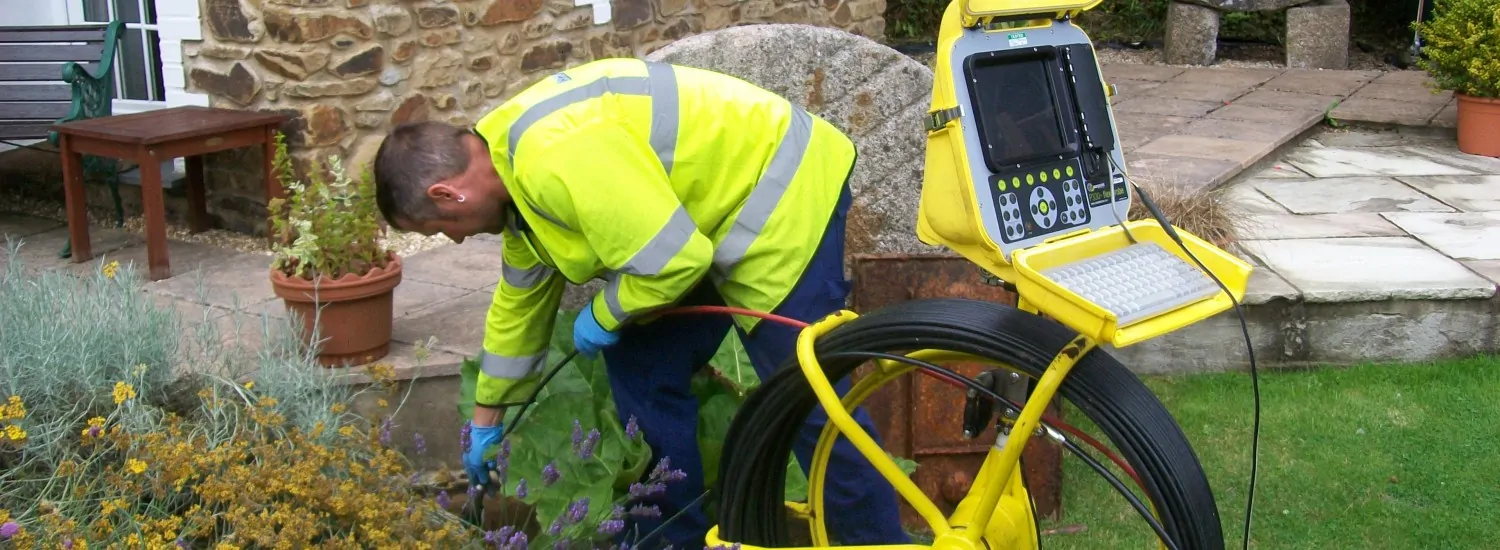
In Llandrindod Wells and neighbouring communities like Knighton or Presteigne, drainage professionals can use CCTV cameras to inspect underground pipes and pinpoint issues invisible from the surface, ensuring accurate diagnosis and repair.
Engaging a local drainage expert familiar with Powys conditions can save time and expense by addressing problems before they escalate into serious flooding or property damage.
Simple Tips to Prevent Drain Blockages Year-Round
Keeping outside drains and gullies free of debris involves more than just clearing leaves. Installing gully guards or drain covers can trap larger debris while allowing water to flow freely, reducing the frequency of blockages.
Raking or sweeping areas prone to leaf litter regularly, especially near mature trees common in Llandrindod Wells gardens, helps minimise the load on drainage systems. Avoid disposing of garden waste or soil near drainage points to prevent silt build-up.
Following these straightforward steps as part of your seasonal home care routine can protect your drains and keep water flowing smoothly throughout the year.
Need a drainage expert in Llandrindod Wells?
Call 0800 669 6492