
Collapsed Drains in Llandrindod Wells: Signs, Causes and Repair Options
Collapsed drains are one of the more serious drainage issues homeowners in Llandrindod Wells and the surrounding Powys area can face. These breaks or failures in underground pipework can disrupt water flow, cause blockages, and lead to property damage if left unchecked. Understanding what a collapsed drain is and recognising the early warning signs can help prevent costly repairs and maintain a safe home environment.
In towns like Builth Wells, Rhayader, and Knighton, the local soil conditions and ageing infrastructure mean drains can be vulnerable to collapse, especially where heavy traffic or tree roots are involved. This article covers how to spot if you have a collapsed drain, the reasons these collapses happen, and the common ways local drainage professionals diagnose and fix the problem for households across Powys.
What Is a Collapsed Drain?
A collapsed drain occurs when an underground drainage pipe loses its structural integrity and breaks, cracks, or crumples. Rather than simply blocking, the pipe’s shape is compromised, which prevents water from flowing freely. This can lead to wastewater backing up into your home or garden. Pipes can collapse partially or completely depending on the severity of damage, with full collapse causing significant disruption to drainage systems.
In Llandrindod Wells, many drainage systems include older clay or concrete pipes installed decades ago. These materials can become brittle over time, making them more susceptible to collapse, especially under pressure from shifting soil or tree roots. Modern replacement pipes tend to be more durable, but many properties still have these older systems that require careful inspection and repair.
Key Signs of a Collapsed Drain
Persistent blockages in sinks, toilets or drains that don’t clear with conventional methods can be an early symptom of a collapsed drain. Water may struggle to flow away properly if the pipe is damaged, causing backups inside the property. It’s common for residents around Powys to initially mistake these symptoms for simple clogs rather than pipe failures.
Other warning signs include damp patches or foul smells around your property’s drainage inspection points or garden. Subsidence or sinking ground may appear where the soil is eroding around a damaged section of pipe. In gardens, you might notice sinkholes or depressions – a clear indication that the soil beneath has been washed away by leaking water from a collapsed drain.
Common Causes of Drain Collapse in Powys
The local geology around Llandrindod Wells and neighbouring towns like Presteigne and Crossgates includes clay-heavy soils that expand and contract through wet and dry periods. This natural movement places stress on underground pipes, which over time can cause cracks and eventual collapse.
Tree roots are a frequent culprit in drain damage across Powys. Roots naturally seek out moisture and can infiltrate small cracks or joints in pipework, expanding and breaking the pipe’s structure. This is especially common in older drain systems close to large trees such as oaks or willows.
Heavy traffic above ground, particularly on roads near busy centres like Newbridge-on-Wye or Penybont, may compact soil and exert pressure on buried pipes beneath. This can weaken pipes over years, raising the risk of collapse. Additionally, pipe corrosion and poor initial installation quality contribute to failures.
How Are Collapsed Drains Diagnosed?
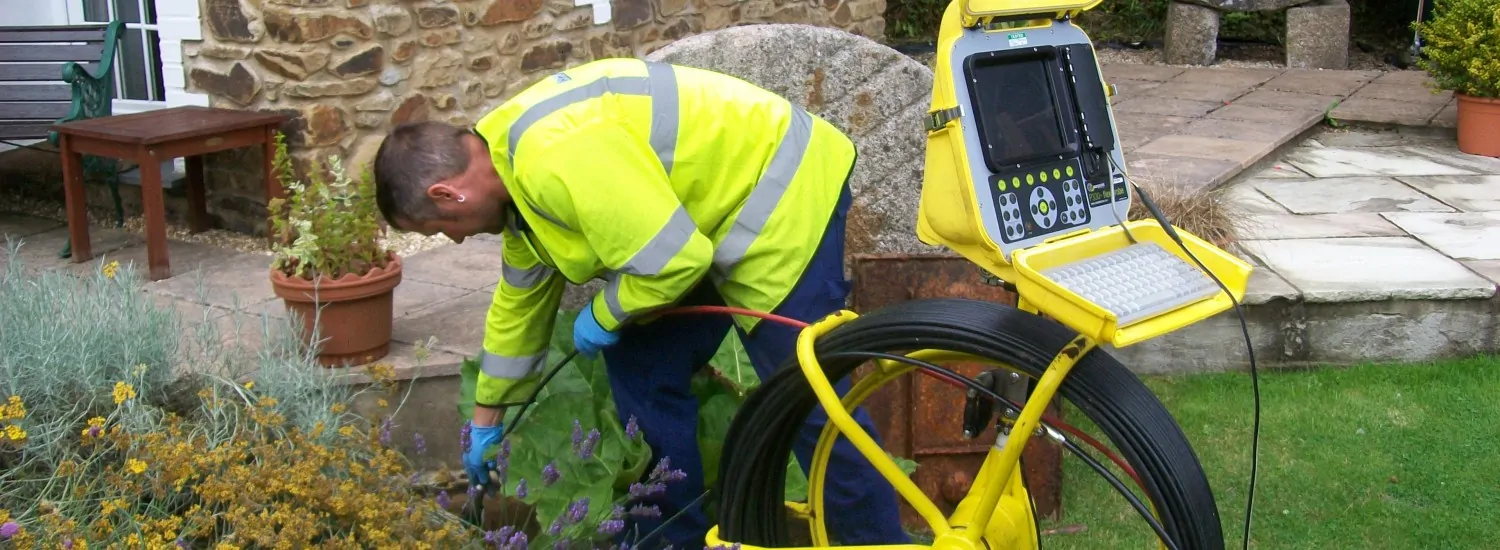
Drainage specialists typically start with a CCTV drain survey to accurately identify the location and extent of a collapse. This involves sending a small camera through the pipe system from an access point, such as a manhole or inspection chamber. The footage reveals blockages, cracks, and collapsed sections without invasive digging.
In rural areas near Nantmel or Disserth, where access points may be limited, specialist equipment can still navigate the pipes with minimal disruption. The survey also helps pinpoint whether blockages are caused by collapses or other issues like grease build-up, enabling efficient treatment planning.
Drainage engineers may also perform water flow tests or use ground-penetrating radar where subsidence is suspected to map underground pipe conditions before recommending repairs.
Repair Options for Collapsed Drains
The method chosen to repair a collapsed drain depends on the damage extent and pipe location. Traditional excavation involves digging up the damaged pipe section and replacing it with a new pipe. Although effective, this can cause temporary disruption to gardens or driveways in Llandrindod Wells and neighbouring villages.
Trenchless repair methods are increasingly popular throughout Powys, minimising surface disruption. Techniques like pipe lining insert a resin-coated liner into the existing pipe, which cures to form a new pipe within the old one. This is suitable for smaller collapses or cracks.
For severe collapses, pipe bursting may be used, where a new pipe is pulled through the old broken pipe, fracturing the old pipe outwards. This method also requires less digging and is ideal for roadsides or hard-to-access areas around towns such as Howey or Llandegley.
Maintaining Your Drains in Llandrindod Wells and Powys
Regular maintenance can reduce the risk of drain collapse by preventing blockages and identifying issues early. Avoid flushing non-degradable items and reduce fat, oil, and grease going into household drains, as these cause blockages that increase pipe pressure.
Tree root management is also essential; trimming or removing invasive roots close to pipes can prevent root ingress. Homeowners throughout Powys should arrange periodic CCTV drain surveys, especially in older properties or those with known drainage challenges.
Promptly addressing minor drainage problems before they worsen will protect your property and help preserve the structural integrity of your underground pipes for years to come.
Local Considerations for Drain Repairs in Powys
Properties in rural areas such as Penybont or Nantmel may experience unique challenges during repairs, including limited access for heavy machinery and environmental restrictions near protected land or watercourses. Local drainage specialists understand these constraints and tailor solutions accordingly.
In Llandrindod Wells itself, tightly spaced residential areas can pose difficulties for excavation work, making trenchless methods more suitable to minimise disruption. Additionally, Powys’ variable weather requires planning to avoid working during heavy rainfall which could exacerbate ground instability.
Choosing local expertise familiar with Powys’ soil types, infrastructure, and seasonal conditions ensures repairs are conducted efficiently, adhering to regional regulations and helping maintain local watercourse health.
Need a drainage expert in Llandrindod Wells?
Call 0800 669 6492